Medical dressings are essential tools in healthcare for protecting wounds, promoting healing, and preventing infection. Proper use of dressings ensures patient safety, accelerates recovery, and supports overall wound management. From minor cuts to surgical wounds, selecting the right dressing is crucial for optimal results.
What Are Medical Dressings?
Medical dressings are materials applied to wounds to provide protection, absorb exudate, and create an environment conducive to healing. They are available in various forms and materials, each designed for specific wound types and medical needs. Dressings can be sterile or non-sterile, adhesive or non-adhesive, depending on the application.
Common Types of Medical Dressings
1. Gauze Dressings
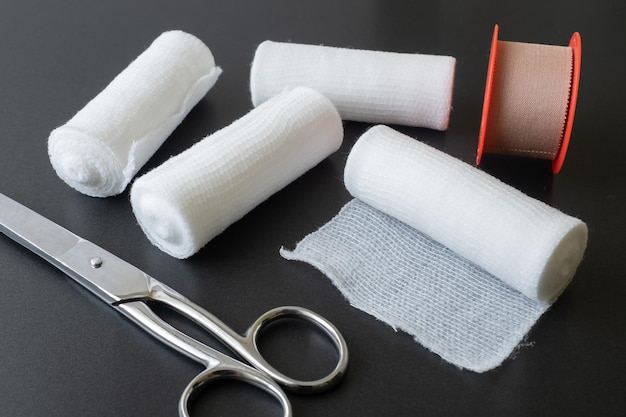
Gauze dressings are made of woven cotton and are highly absorbent. They are commonly used for cleaning wounds, controlling bleeding, and covering minor injuries. Gauze can be used alone or in combination with other dressings.
2. Adhesive Dressings
Adhesive dressings, such as band-aids, combine a protective layer with an adhesive backing. They are ideal for small cuts, abrasions, and puncture wounds, offering convenience and protection against contamination.
3. Hydrocolloid Dressings
Hydrocolloid dressings create a moist environment that promotes faster healing, especially for chronic wounds or pressure ulcers. They are self-adhesive, flexible, and can stay in place for several days, reducing the need for frequent changes.
4. Foam Dressings
Foam dressings are soft, absorbent, and suitable for wounds with moderate to heavy exudate. They cushion the wound, reduce pain, and protect against friction and pressure.
5. Alginate Dressings
Made from seaweed fibers, alginate dressings are highly absorbent and ideal for deep or heavily bleeding wounds. They form a gel upon contact with wound fluid, maintaining a moist healing environment and promoting tissue regeneration.
6. Transparent Film Dressings
Transparent film dressings are thin, flexible sheets that protect wounds from bacteria while allowing visual monitoring. They are commonly used for surgical sites, IV lines, and minor abrasions.
Benefits of Using High-Quality Dressings
-
Wound Protection: Shields wounds from bacteria, dirt, and external trauma.
-
Accelerated Healing: Maintains optimal moisture and promotes tissue regeneration.
-
Comfort and Flexibility: Modern dressings adapt to the body and reduce discomfort.
-
Reduced Infection Risk: Sterile dressings minimize the chance of contamination and complications.
Choosing the Right Medical Dressing
Selecting the proper dressing depends on:
-
Wound Type: Different dressings suit minor cuts, surgical wounds, or chronic ulcers.
-
Exudate Level: Highly absorbent dressings for heavy wounds, thin films for dry wounds.
-
Patient Comfort: Flexible, non-irritating materials improve compliance.
-
Sterility and Certification: Certified products ensure safety and meet medical standards.
At haelan, we provide a wide range of medical dressings, including gauze, adhesive, hydrocolloid, foam, alginate, and transparent films. All products are certified, high-quality, and designed to support effective wound care for hospitals, clinics, and home use.
Conclusion
Medical dressings are a cornerstone of effective wound management, offering protection, hygiene, and faster healing. Choosing the right type ensures optimal results and patient safety. With reliable products from haelan, healthcare providers and caregivers can deliver professional, safe, and effective wound care every time.